
Five layers. One complete picture
Each layer is a source the alert has to pass through before it reaches the crew.
Vibration sensors
Eight wireless sensors. Six stay on the main engines, generators and gearboxes. Two move around the engine room.
Vessel data
Speed, heading and engine data, so each reading is judged against how the yacht is running.
Sea state
Wave and wind conditions at the yacht’s position.
Cross-sensor check
A change on one machine is compared with the other machines before it becomes an alert.
Maintenance record
Work on each machine is recorded by its own sensor, with vibration before and after.
Two alerts, checked before they reach the crew
Each machine has two ceilings. An abnormal spike above the rolling baseline ceiling is checked against the other sensors, the sea state and the running conditions. A trend warning is read against the manufacturer or ISO ceiling and the next service date. Each alert shows the Chief Engineer’s own procedure for that machine, which the Chief Engineer writes and can edit.
The absolute limit for that equipment, from the manufacturer or the ISO standard.
The machine’s normal running level plus a set margin, learned from its own use over time.
Port main engine
Starboard gearbox
A record of the work, measured on the machine
The sensor measures the machine before the work, stays on during it and measures again afterwards. The result is an independent, time-stamped record of work on the machinery.
Switch on
The engineer puts the machine into maintenance mode in Oscillex.
Warm-up run
The machine runs and Oscillex records its vibration before the work.
Work
The machine is shut down. The sensor stays active and records tools on the casing and covers coming off.
Restart
Vibration after the work is compared with before. Imbalance or misalignment is flagged.
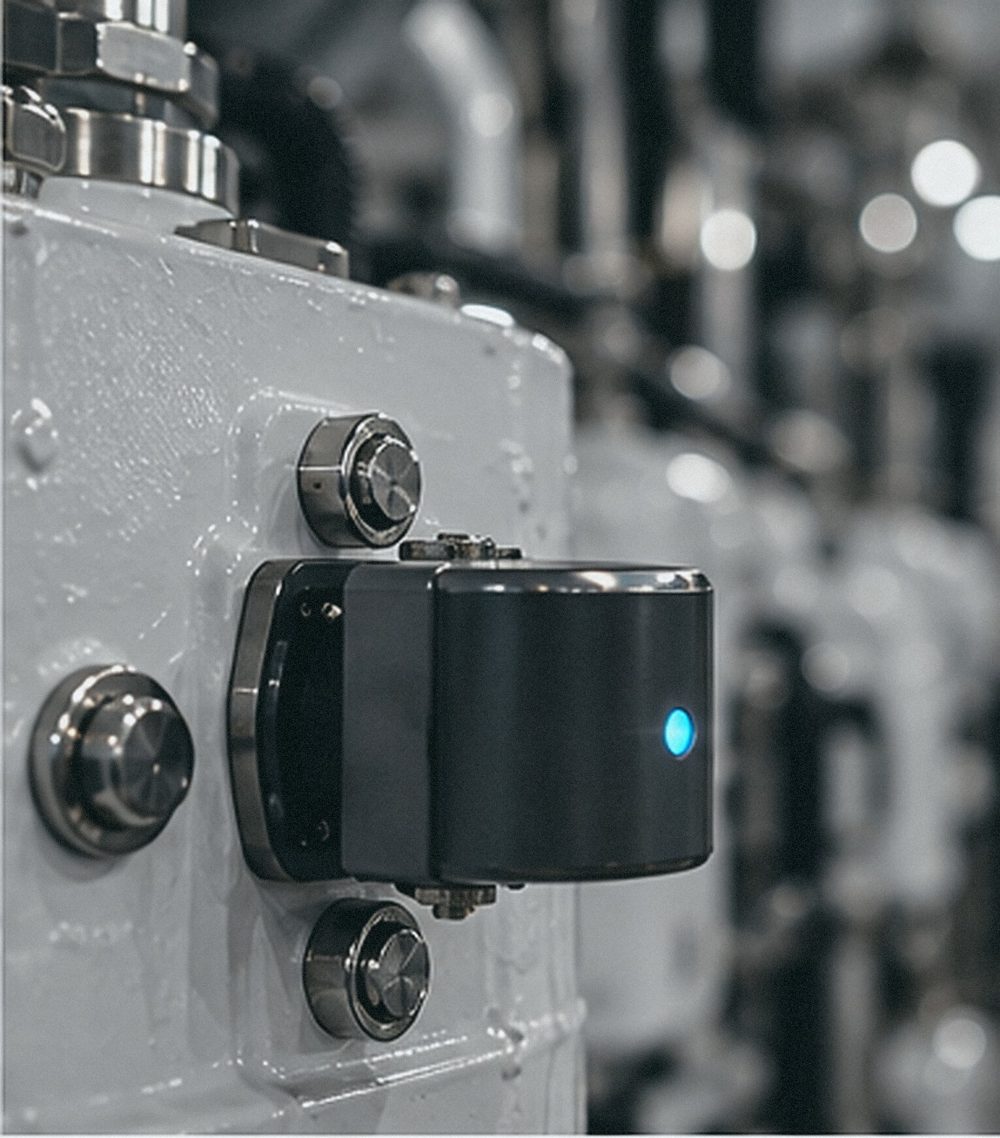
Two sensors for the rest of the engine room
The roving sensors travel in a carry case. The Chief Engineer sets the check points and how often each is read.
Pumps, air handlers, hydraulic power packs and other machines without a fixed sensor.
A sensor on any machine that sounds or feels different.
Two readings on one screen: port against starboard, or this quarter against last.
Everything is kept, per machine
Alarm history
Every alert and the checks behind it.
Reports
Management, owner and buyer reports.
Dashboards
One view on board for the crew and one across the fleet for the manager.
Installed in one day
No yard period and no changes to the machinery. The vessel stays in service.
Assembled and configured for the yacht.
Six sensors on the machinery, a Wi-Fi access point in the engine room and the control box.
From shore, Oscillex checks every sensor and sets the manufacturer or ISO ceiling for each machine.
See what is in the Standard Pack
Eight sensors, the control box and the data links, for €9,950.